
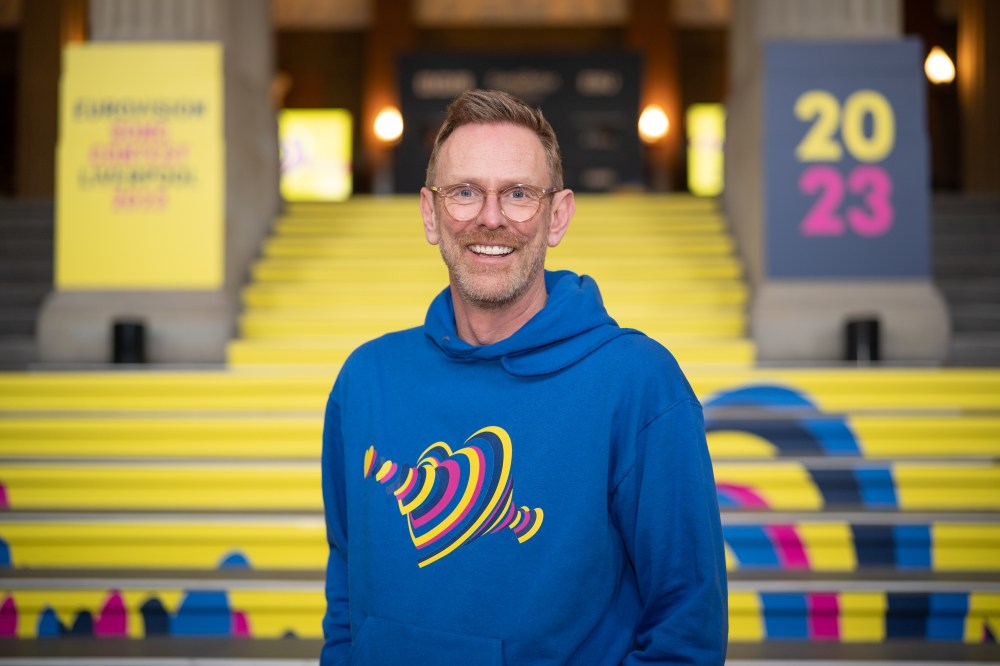
Eurovision’s brand-new Director, Martin Green, has confirmed plans are in place to reduce media access to artists’ rehearsals.
The EBU will implement a number of changes to the contest in 2025 in order to better protect artists and delegations from the rigours of the competition.
Click to read this story at a glance…
- Changes to Rehearsal Access: Eurovision’s new Director, Martin Green, announced plans to reduce media access to artists’ rehearsals in 2025, introducing more closed-door sessions to help artists focus on their performances without distractions and ensuring more time to rest
- Artist Wellbeing Focus: The changes stem from feedback by delegations and artists, who expressed a need for more private rehearsal time to build confidence before performing in front of cameras
- New Code of Conduct: For the first time, Eurovision will require all accredited delegation members to adhere to a code of conduct, with breaches to be investigated by the contest’s leadership team
There will be more closed-door rehearsals to help artists focus on their performances without distractions, an optimised rehearsal schedule to allow artists more time to rest, and no filming zones backstage.
In an exclusive broadcast interview with The Euro Trip, Green explained the need for the changes.
“This has all come from delegations and artists themselves asking to have more time to get more confident with their performances before the cameras are let it – and who can blame them?
“In Eurovision there is unprecedented access. When we live our lives under constant access, we have to look closer at that for the wellbeing of the artists.
“We are going to look at some more of the rehearsal schedule which is closed door.”
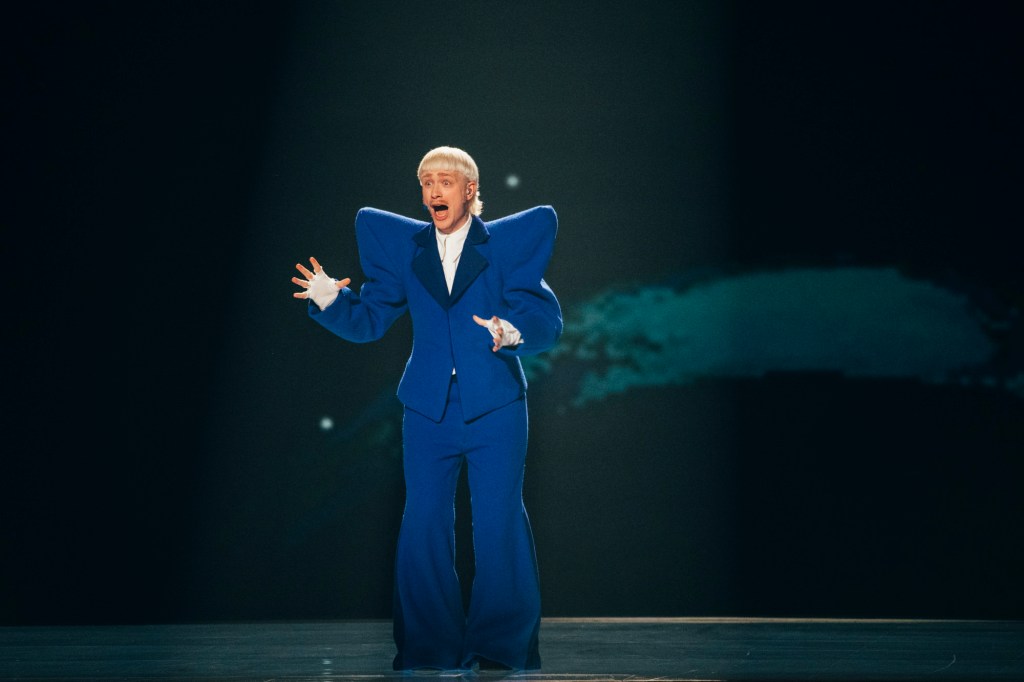
One of the catalysts for the implementation of these new safeguarding measures was what the EBU dubbed “threatening behaviour directed at a female member of the production crew” by the Netherlands’ Joost Klein.
Dutch broadcaster AVROTROS claimed at the time, and maintains today, that Klein had explicitly asked not to be filmed in certain off-stage areas, and that this was not respected by videographers.
Members of the Israeli delegation filmed members of the Dutch delegation against their will and posted confrontations across social media.
Artists in Basel will have areas where they can be sure that nobody will be filming.
Green defended the plans to block the access accredited press had previously to some rehearsals.
“We’re talking about the performances of artists. I don’t think anyone can really argue with the fact we want to give artists more time to get comfortable with their performances before the media are let in.
“Completely unusually, we have two full media rehearsals before a third show. Any idea of restriction here needs to be put in context with other major global events – take it from me who’s done most of those events, the access here is unprecedented.”
Before becoming the Director of the Eurovision Song Contest, Green was the Managing Director of the competition when the BBC hosted the event in Liverpool in 2023.
Green also has experience in other major sporting and television events, including as Head of Ceremonies for the London 2012 Olympic and Paralympic Games.
As well as the changes to protect artists, for the first time ever at the contest, adherence to a code of conduct will be a requirement for accreditation.
Any alleged breaches of the code of conduct will be investigated by Österdahl, Green and the wider leadership group of the Eurovision Song Contest, including members of the Reference Group.
“Codes of conduct don’t work if it’s one strike and you’re out. There has to be process and discussion,” Green said.
“Rules are good because they are put down in black and white, ‘Eurovision is a friendly space and a community space’.
“99% of the time it’s simply a matter of sitting down with our friends and colleagues and seeing what comes out the other end.”
The EBU will announce the particulars of its code of conduct, as well as how the optimised rehearsal schedule will work in due course.
 The Euro Trip Podcast
3 Comments Add yours