Edward af Sillén – the Director and Scriptwriter of Eurovision 2024 – sat down with The Euro Trip for an exclusive interview this week.
His history as part of the Eurovision Song Contest is storied, having first written the script for the hosts of the 2010 competition in Norway, before returning to do the same, as well as direct the shows, in both 2013 and 2016.
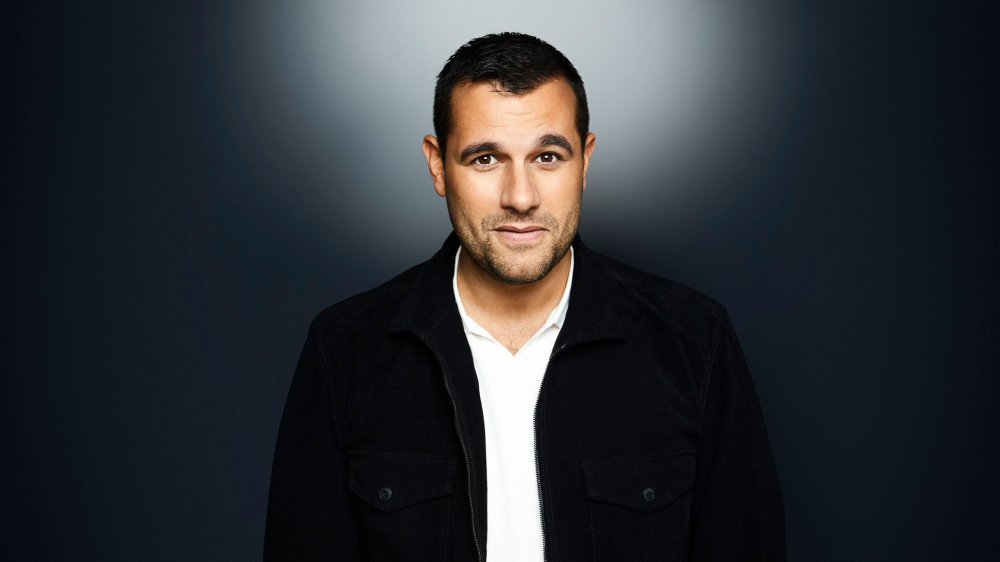
Af Sillén’s conversation with The Euro Trip was a long time in the making, as it has taken him a long time to process everything that happened during last year’s Eurovision season.
This was also the first time af Sillén had opened up about the turbulent events of Eurovision 2024 in Malmö, and the nearly hour-long interview was wide-ranging and emotional.
So, what did we learn?
Three months before he said he’d return
“Then Loreen goes and wins again… I remember ringing my best friend and co-writer (Daniel Réhn) and hoped they [SVT] wouldn’t ask us to do it again.”

Despite being a lifelong fan of the Eurovision Song Contest, af Sillén did not immediately give SVT a resounding and enthusiastic commitment to direct the competition for a third time.
Af Sillén describes the lauded 2016 edition as “our Grand Final” and the Love Love, Peace Peace Peace interval as “our love letter and goodbye”.
He was worried they wouldn’t be able to top 2016, but eventually settled on doing it once more because of how much fun he knew he’d have working on Eurovision, and with host Petra Mede.
But from the initial phone call one week after Loreen’s triumph in Liverpool in 2023, it took until September for af Sillén to commit to the project… “Then October 7 happened and everything got really complicated”.
Twitter changed his love for Eurovision
“2024 hasn’t changed my love for Eurovision – Twitter has.”
Af Sillén still adores the contest he grew up loving as a showbiz obsessive kid in the 1980s, but online vitriol has soured his connection with the community.
“The difference of tonality in the fandom has changed my love for Eurovision, to be perfectly blunt. There’s so much meanness in the fandom, and when I started out there was none at all.”
Petra and Malin wanted to host immediately
“Malin and Petra were a joy.”

Petra Mede had already hosted Eurovision twice, but has long had problems with pain in her back, so af Sillén wasn’t sure she would want – or be able – to do it for a third time. But she said yes without even questioning it.
Malin Åkerman was a total Eurovision newcomer so there was a doubt about whether she’d even be interested. Af Sillén remembers the phone call he made to get her on board: “She just laughed, and said, ‘Are you serious?’. I thought she would say no right away, but she said yes.”
Åkerman shares the same agent as the Eurovision loving Will Ferrell, so there wasn’t even a problem getting through their agency because the Story of Fire Saga actor had spoken so positively about the contest for years.
Artists cancelled Grand Final appearances
“The Grand Final was tough because so many people dropped off. It became a political situation and that made it really difficult.”
Af Sillén had no such trouble casting guests to appear in the two Semi-Finals.
The straight man’s Grindr notifications
“I was so sure the EBU would stop that joke.”
The skit where Petra takes a “fan’s” phone before he receives incessant Grindr notifications was one of the first af Sillén wrote for last year’s contest, and it was conceived from his desire to push jokes further than he had before.
The “fan” in the audience was meant to be an actor, but he was double booked, so he had to be replaced by the Head of Production of last year’s contest who is “a straight guy with a wife and kids”.
Israel’s inclusion made the job tough
“The toughest months were December to February… because of Israel’s presence.”
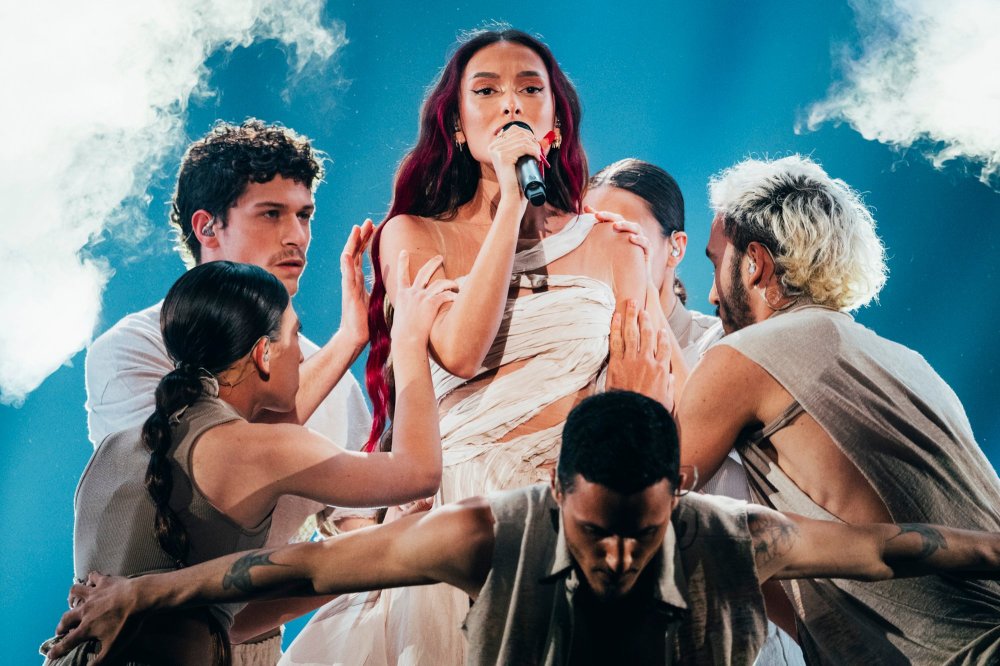
Af Sillén did not want to go into the discussion of whether Israel should have competed or not, but he conceded that the country’s inclusion made his job “tough” because the show suddenly became more about politics.
He battled questions of whether he would be able to write a script with jokes and make the tone of the show funny or not, but he eventually made the decision “to make Eurovision a safe space, and not talk about it, and make it a joyful comedy”.
The EBU held talks with af Sillén to explain its rationale for including Israel in the show against the backdrop of its involvement in conflicts in the Middle East so he could “defend my position as well”. Af Sillén described those talks as “difficult” but “educational”.
Joost Klein’s disqualification
“There was a before and after the Netherlands being disqualified.”
The interview with The Euro Trip was not to discover whether af Sillén thought the decision to expel Joost Klein was right or wrong, but he did concede “there needs to be consequences if an artist behaves badly”. He also wishes more information was made public at the time so lies and misinformation weren’t spread online.
Klein’s expulsion “pushed us back” after af Sillén and his team “could see the top” of the uphill climb they were facing, and the Friday and Saturday were “just about surviving”
The voting problem in the Grand Final
“They lost the one thing they had rehearsed with for a month. It was tough.”
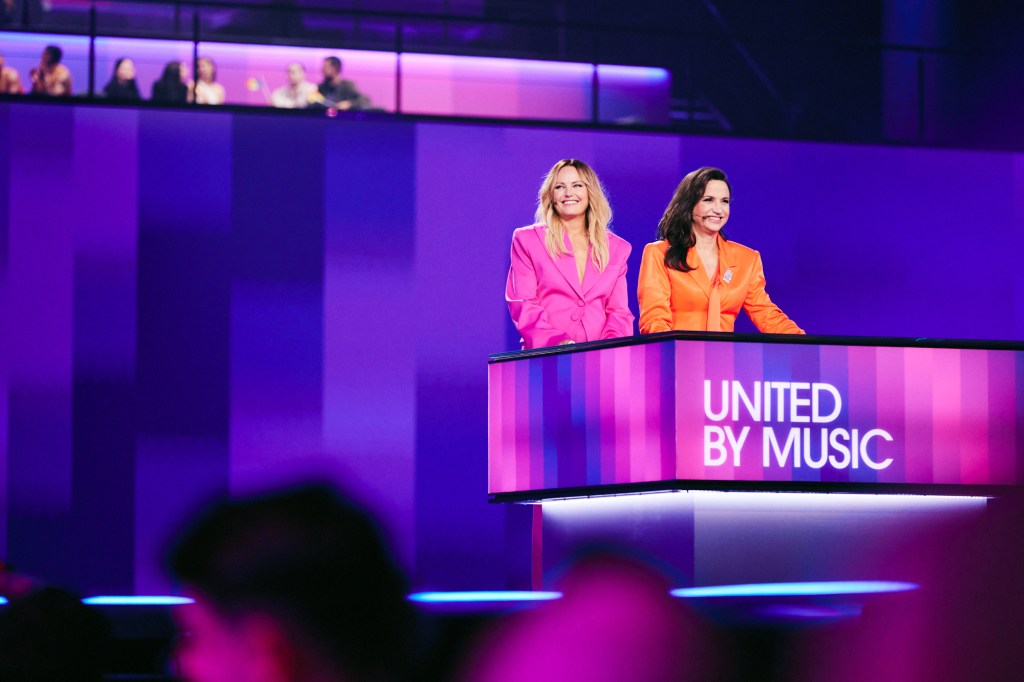
Mede and Åkerman were hamstrung during the Grand Final voting sequence.
“If you fuck up the voting, you’re screwed. And it can be fucked up in so many ways. We had a huge problem in the voting that no-one knows about.”
The screen that the hosts read the results from failed, meaning they were unable to see the incoming results, and the scoreboard in front of them.
“The whole voting had to be [done by] listening to information from the technical bus and making it work.”
Despite all the difficulties, controversies, sleepless nights and heightened emotions, af Sillén still loves Eurovision and can reflect well on the positives… “I will not forget the laughs.”

 The Euro Trip Podcast